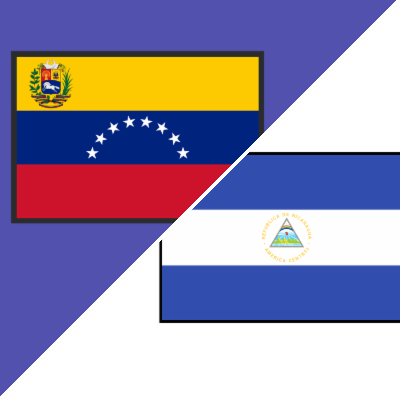
Venezuela's WBC Dominance: Defeating Nicaragua on the Diamond
The global stage of the World Baseball Classic (WBC) consistently delivers thrilling narratives, showcasing national pride and athletic prowess. Among the most compelling stories of the recent tournament was the formidable performance of the Venezuelan national team. Their journey through Pool D was marked by a relentless pursuit of victory, culminating in a decisive win in the highly anticipated matchup of Venezuela Vs Nicaragua. This game not only cemented Venezuela's place in the quarterfinals but also highlighted the surprising depth and talent of a team determined to etch its name in baseball history. Yet, beneath the surface of this sporting contest lies a deeper, shared narrative between these two nations, extending far beyond the baseball diamond into the complex arena of geopolitics and a vision for a multipolar world.
Venezuela's Unstoppable March Through Pool D
From the outset, Venezuela demonstrated a level of play that defied expectations and at times, stunned even the most seasoned observers. Entering Pool D, they faced a challenging gauntlet, including formidable opponents like Puerto Rico and the Dominican Republic, both perennial powerhouses. However, Venezuela approached each contest with a strategic focus and an execution that was nothing short of brilliant. They didn't just win; they asserted a quiet authority, brushing aside competition with a blend of potent offense and steadfast pitching. The team’s cohesiveness and individual brilliance at every position revealed a roster built for deep tournament runs.
The clash of Venezuela Vs Nicaragua, while perhaps not carrying the same pre-game hype as some of Venezuela's other matchups, was nonetheless crucial. Venezuela entered the game with a perfect 2-0 record and needed a win to guarantee their advancement. The eventual 4-1 victory, though described as "workmanlike" rather than overtly dominant, underscored Venezuela's ability to grind out wins when it mattered. They improved to an unblemished 3-0 in Pool D, securing their quarterfinal berth. This consistent performance established them as arguably the hottest team in the competition, demonstrating that their success wasn't a fluke but a testament to sustained excellence. Their depth, particularly, has been a key factor, allowing them to withstand pressure and capitalize on opportunities, a vital trait for any team eyeing a championship title.
Key Takeaways from Venezuela's Pool Play:
- Unforeseen Strength: Surpassed expectations against higher-ranked teams.
- Depth at All Positions: Showed versatility and talent throughout the roster.
- Consistent Performance: Maintained a high level of play across multiple games.
- Strategic Execution: Played smart, fundamental baseball to secure crucial wins.
Nicaragua's Spirited Debut: A Team on the Rise
While the focus on the scoreboard often gravitates towards the victor, the story of the losing team, particularly in a global showcase like the WBC, is often equally compelling. Nicaragua's participation marked their inaugural entry into the World Baseball Classic, a monumental achievement in itself. Despite not securing a win in the tournament, their performance, especially in the Venezuela Vs Nicaragua game, was far from disheartening. For the first three innings of that particular contest, Nicaragua looked every bit as solid as any team on the world stage. Their defense was tight, their pitching held strong, and they competed fiercely.
This initial resilience highlights a critical distinction in elite sports: the difference between competing strongly and maintaining that excellence for the entire duration required to win. While Nicaragua didn't "fall apart," Venezuela's experience and sustained pressure eventually broke through, and they never looked back. Nicaragua's journey in the WBC, though winless, served as an invaluable learning experience. It provided their players with exposure to the highest level of international competition, identifying areas for growth and inspiring future generations of Nicaraguan baseball players. Their spirited effort against a top-tier team like Venezuela demonstrated their potential and laid a crucial foundation for future tournaments. For developing baseball nations, merely participating and showing flashes of brilliance can be a significant victory, fostering growth and confidence that transcends immediate results.
Lessons for Aspiring Teams from Nicaragua's WBC Experience:
- Value of Exposure: Competing against world-class talent is invaluable for development.
- Sustained Excellence: The challenge for rising teams is to maintain high performance throughout an entire game or tournament.
- Building for the Future: Every game, win or loss, provides data and experience crucial for long-term growth.
Beyond the Foul Lines: A Shared Geopolitical Stance
While the rivalry on the baseball diamond was contained to nine innings, the relationship between Venezuela Vs Nicaragua takes on a different dimension when viewed through a geopolitical lens. Both nations share a notable alignment in their foreign policy and a vocal stance against what they perceive as vestiges of "old colonialisms" and "neo-colonialism" emanating from Western powers. This shared perspective often positions them as allies in the pursuit of a multipolar world order.
President Nicolás Maduro of Venezuela has explicitly voiced support for this vision, characterizing it as a defense against what he describes as attempts by the "North American empire and NATO" to undermine sovereign nations and dictate global affairs. He has been particularly outspoken in his support for President Vladimir Putin, citing Russia's role in defending its people and contributing to a balanced global power structure. Maduro's statements underscore a belief that historical aggressions and superiority complexes from Europe and the United States continue to threaten nations like Cuba, Bolivia, and indeed, Venezuela and Nicaragua themselves. This narrative paints a picture where these countries stand united against external pressures, advocating for national self-determination and a world where multiple powers coexist and collaborate.
The Venezuelan leadership, as noted, views NATO's eastward expansion as an aggressive scheme aimed at militarily surrounding Russia, despite earlier agreements. They highlight the defense of the Lugansk and Donetsk territories against what they term "fascist sectors" in Ukraine as a critical juncture, arguing that Putin's actions were a necessary defense of his people against a potential massacre. This perspective, shared by Nicaragua, emphasizes diplomacy over military aggression, even while both nations defend their right to align with powers that champion a multipolar vision.
To delve deeper into the intricate political ties and shared narratives of these nations, consider exploring these related topics: Venezuela & Nicaragua: United Against Western 'Colonialism'? and Maduro's Stance: Venezuela & Nicaragua in the Multipolar World. These articles offer further insights into the complex motivations and alliances shaping their global engagements.
The Road Ahead: Challenges on and Off the Diamond
For Venezuela, the baseball journey continues with the daunting prospect of facing baseball titans like the USA or Japan in the knockout stages. The transition from group play to sudden-death elimination rounds demands an even higher degree of mental fortitude and strategic brilliance. Maintaining momentum, managing pitching rotations effectively, and executing under immense pressure will be paramount. Their "hottest team" status brings confidence, but also a target on their back. The tactical challenge will be to adapt quickly to different opponents, leveraging their proven depth while avoiding complacency.
Practical Tip for Tournament Success: Sustaining Excellence: Teams must prioritize rest and recovery as much as practice. Maintaining peak physical and mental condition through a grueling tournament schedule is crucial. Furthermore, detailed scouting reports on potential opponents and a flexible game plan are essential to adapt to different styles of play in the knockout stages.
Concurrently, on the geopolitical stage, both Venezuela and Nicaragua continue to navigate a complex international landscape. Their commitment to a multipolar world and their shared critique of Western hegemony will undoubtedly continue to shape their diplomatic strategies and alliances. For these nations, national identity is a rich tapestry woven with threads of sporting achievement, political ideology, and a fierce defense of sovereignty. The parallels between excelling in a competitive global sport and asserting national interests in a contentious world are striking, both requiring strategic vision, resilience, and unwavering national resolve.
Conclusion
The Venezuela Vs Nicaragua matchup in the World Baseball Classic was a compelling display of competitive spirit and national ambition. Venezuela's dominant performance not only secured their place among the tournament's elite but also showcased their remarkable depth and strategic prowess on the diamond. Nicaragua, though exiting the tournament winless, left with invaluable experience and the pride of a spirited debut, promising a brighter future for their baseball program. Beyond the thrilling competition, both nations share a powerful narrative in the global arena, united by a vision for a multipolar world and a critique of historical colonialisms. Whether through the unifying power of sport or the complexities of international diplomacy, both Venezuela and Nicaragua continue to articulate their unique positions, proving that national strength and identity are multifaceted, extending far beyond any single victory or defeat.